Baking
Gâteau de Pâques
Osterfladen · Swiss Easter Tart
The Swiss Easter tart: a creamy filling of rice pudding, quark, almonds and sultanas in a shortcrust shell, dusted with icing sugar.
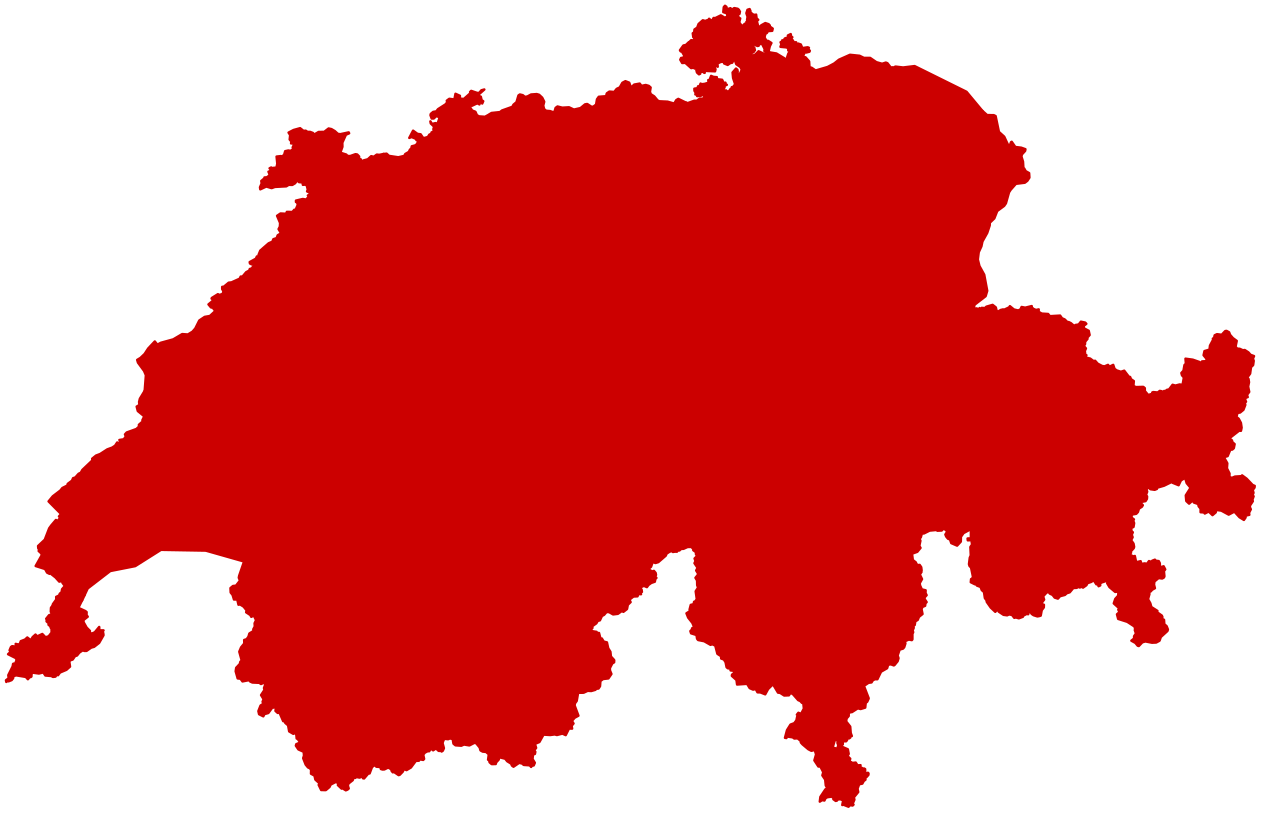 An Easter tradition throughout Switzerland
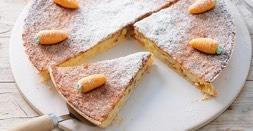
Zutaten
IngredientsMakes about 12 slices
Tick off ingredients as you go.
Nährwerte
Nutrition · per slice
| Energy | 1386 kJ / 333 kcal |
|---|---|
| Fat | 20 g |
| of which saturates | 9 g |
| Carbohydrate | 28 g |
| of which sugars | 14 g |
| Fibre | 1.8 g |
| Protein | 8.5 g |
| Salt | 0.55 g |
Counts about 2 tbsp sugar for the egg whites.
Estimate for the original amounts, per slice. Salt added to taste is not included. Calculated from the Swiss Food Composition Database (V7.1, FSVO).
Zubereitung
Directions- 1
Bring the milk and salt to a boil, add the rice and simmer over low heat, stirring occasionally, until cooked. Let the rice cool.
- 2
Line the tart pan with the pastry and trim the excess. Prick the base all over with a fork, brush with apricot jam and chill. Put a baking tray in the oven and preheat to 175 °C.
- 3
Separate the eggs and zest the lemon. Mix the egg yolks, lemon zest, quark, cream, almonds, sultanas and cooled rice well.
- 4
Beat the egg whites with a little sugar until stiff, gently fold into the rice mixture and pour into the pastry case.
- 5
Set the tart pan on the hot baking tray and bake for about 45 minutes.
- 6
Let cool, then dust with icing sugar and decorate with the marzipan carrots.

En Guete!
Bon appétit · Buon appetito · Bun appetit · Enjoy your meal
First published in the Arizona Swiss Society's Valley Echo newsletter, Spring 2022.
A bit of history
Geschichte
Where Gâteau de Pâques comes from, gathered from reliable sources such as the Culinary Heritage of Switzerland inventory.
This round Easter tart with a filling of rice or semolina is called Osterfladen in German and tourte de Pâques in French, and the Culinary Heritage of Switzerland says it is made and eaten throughout the country. According to Basel historian Eugen A. Meier, Easter flatbreads were blessed by the clergy in Basel as early as the 14th century. The earliest recipe close to today's tart is a "dorten oder fladen von Reiss", a tart of rice, in Anna Wecker's cookbook of 1598. Fillings long varied: until after 1800, Ziger cheese, rice and semolina were used interchangeably, a 1671 monastery cookbook used millet, and a 1749 Bernese cookbook used bread. Only in the late 19th century did rice, semolina or bread fillings become standard.
Sources
- Osterfladen / Tourte de Pâques · Kulinarisches Erbe der Schweiz
More from our kitchen
Keep the oven warm
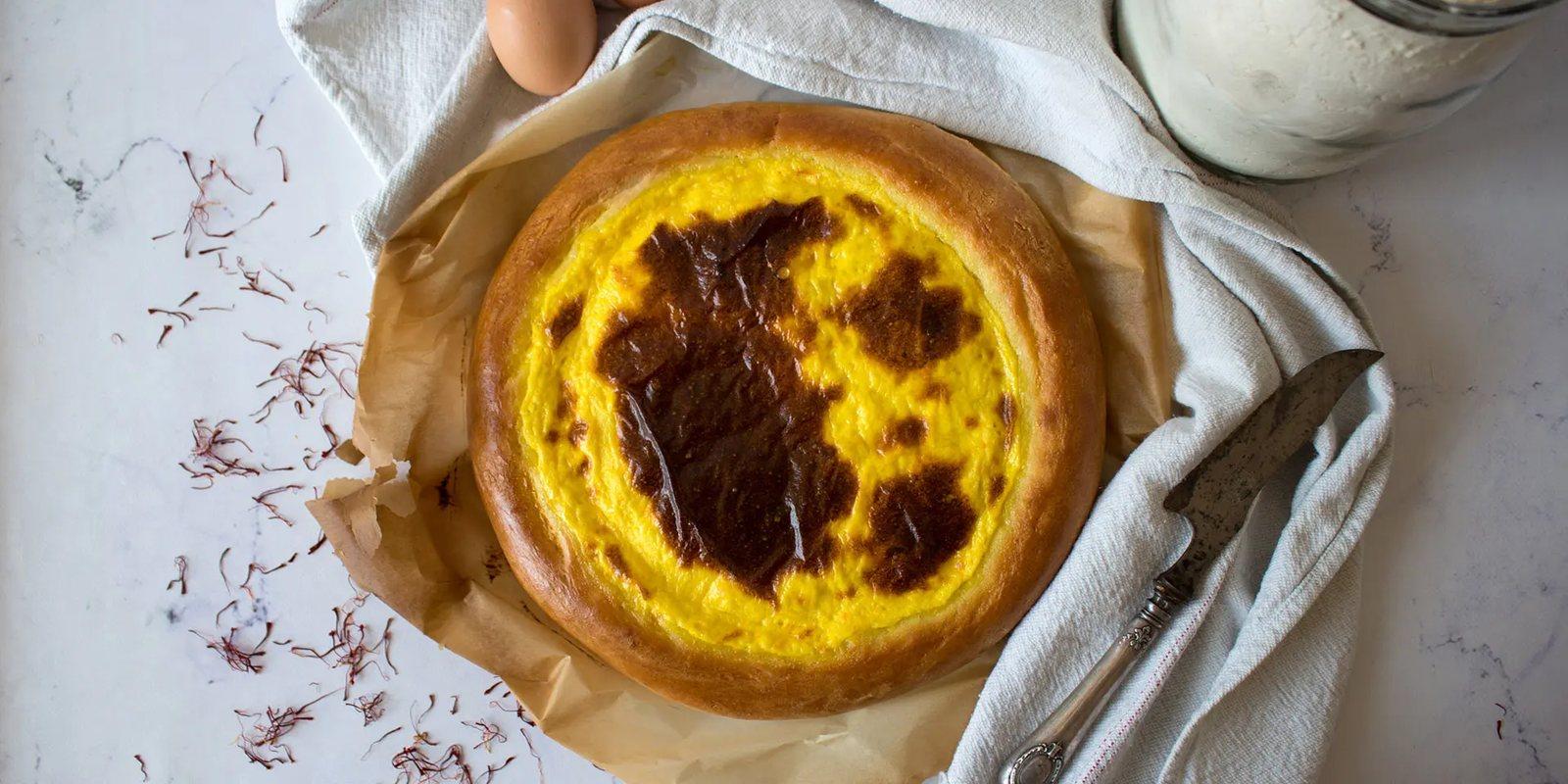

Toétché jurassien
Jura Cream Tart
A Swiss Wähe from the Jura: a thin yeast dough under a rich cream and saffron custard. In the canton of Jura it is also known as St. Martin's Tart.
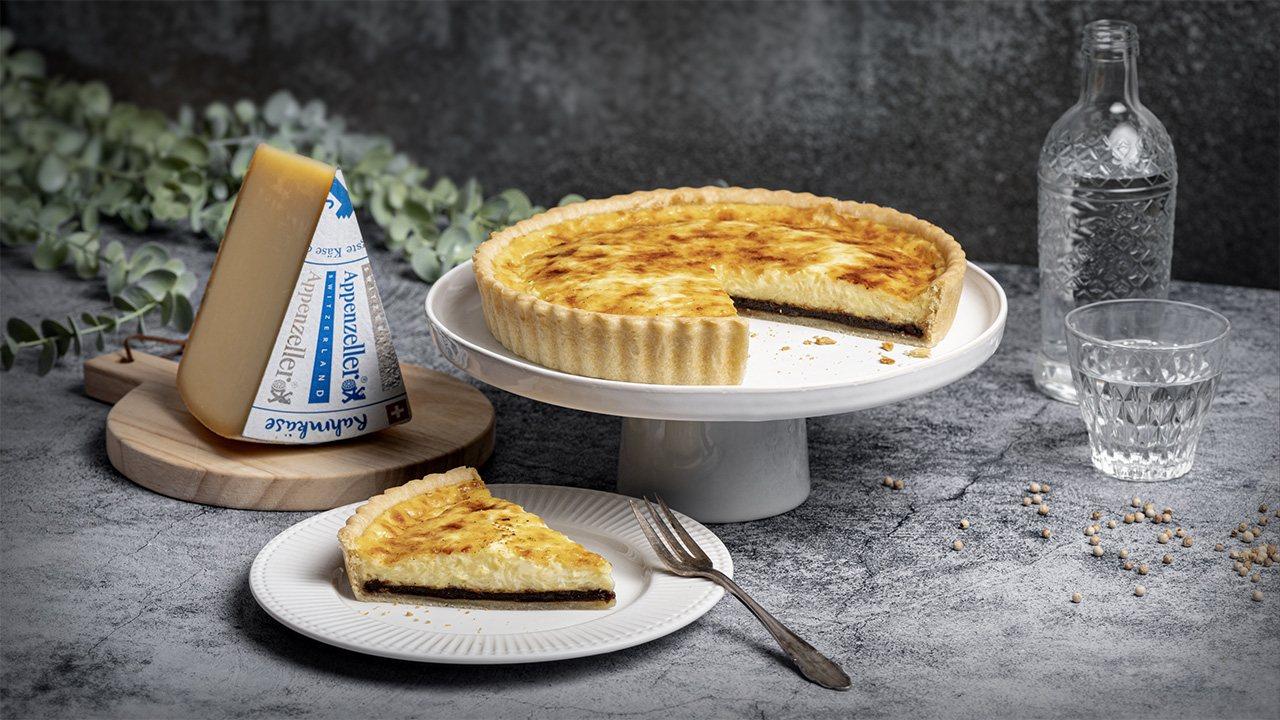
Appenzeller Schlorzifladen
Cheese and Pear Tart
A salty-sweet take on the Schlorzifladen: mild Appenzeller cream cheese over a pear filling, which it complements without overpowering.
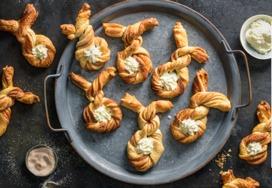
Puff Pastry Easter Bunnies
Blätterteig-Osterhasen
Twisted cinnamon-sugar puff pastry bunnies with whipped cream tails. Fun to shape with children.