Cookies
Chräbeli
Anisguetzli · Swiss Anise Cookies
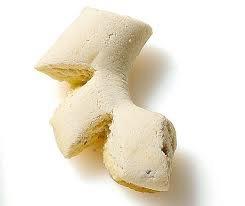
Crisp anise cookies left to dry overnight, so they bake up white on top with little "feet" underneath. Lovely with a cup of coffee or tea.
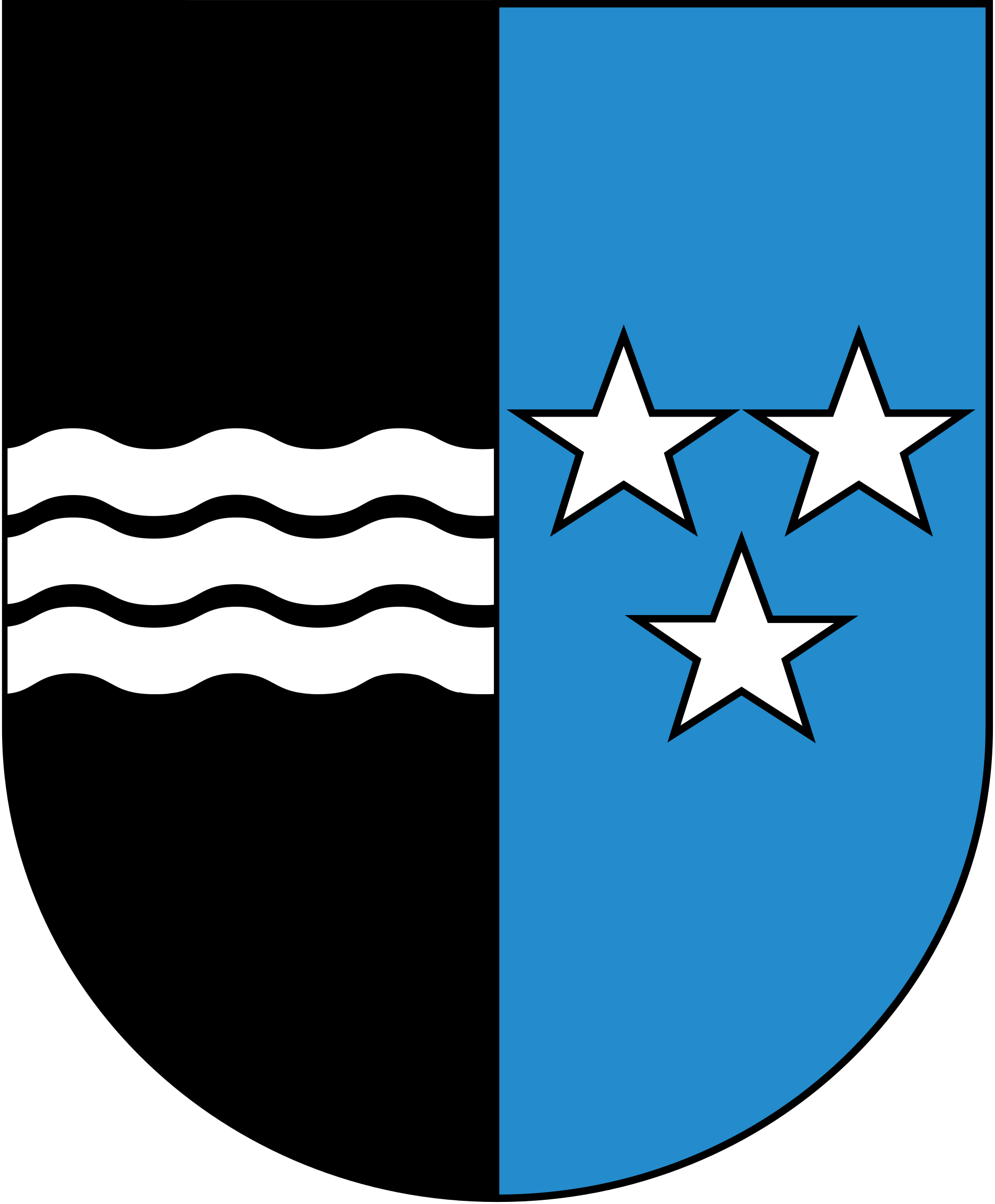 A specialty of Baden, Aargau
Zutaten
IngredientsMakes about 100 cookies
Tick off ingredients as you go.
Nährwerte
Nutrition · per cookie
| Energy | 175 kJ / 41 kcal |
|---|---|
| Fat | 0 g |
| of which saturates | 0 g |
| Carbohydrate | 8.6 g |
| of which sugars | 5 g |
| Fibre | 0 g |
| Protein | 0.9 g |
| Salt | 0 g |
Estimate for the original amounts, per cookie. Salt added to taste is not included. Calculated from the Swiss Food Composition Database (V7.1, FSVO).
Zubereitung
Directions- 1
Beat the sugar and eggs until fluffy and the sugar has dissolved, then add the anise.
- 2
Sift in the flour and knead lightly until the dough holds together.
- 3
Roll out about 1 cm thick and cut out shapes, or roll into ropes about 1.5 cm thick and cut into 5 cm pieces. Make about 3 slanted cuts in each piece and bend it slightly.
- 4
Place on a buttered and floured baking sheet and let dry overnight in a slightly warm place.
- 5
The next day, bake at low heat, about 140 °C, for about 12 minutes. They should stay white on top and have little feet underneath.
“An old recipe from my mother. These are my favorite cookies.”

En Guete!
Bon appétit · Buon appetito · Bun appetit · Enjoy your meal
First published in the Arizona Swiss Society's Valley Echo newsletter, Winter 2016/2017 and Winter 2022/2023.
A bit of history
Geschichte
Where Chräbeli comes from, gathered from reliable sources such as the Culinary Heritage of Switzerland inventory.
Chräbeli belong to Switzerland's large family of anise biscuits, whose pale doughs were originally a substitute for costly marzipan. Their origin is obscure: Swiss baked-goods researcher Max Währen believed they were first mentioned in a description of a trip to Baden around 1710. Probably the oldest picture of a Chräbeli, from around 1860, is by Ernst Ludwig Rochholz, an Aarau teacher interested in folklore. According to the Fremdenblatt von Baden of 1939, whole cartloads of Badener Chräbeli went out into the world in the 19th century, with more than 25 bakeries in the spa town producing them day and night.
Sources
- Badener Chräbeli · Kulinarisches Erbe der Schweiz
- Anisbrötli · Kulinarisches Erbe der Schweiz
More from our kitchen
One more cookie never hurt
Mailänderli
Swiss Butter Christmas Cookies
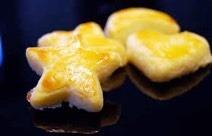
One of the most popular Christmas cookies in Switzerland: rich, lemony butter cookies cut into shapes and glazed with egg yolk.
Totenbeinli
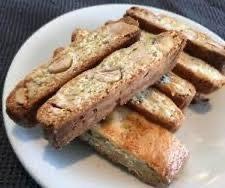
Nut and Almond Biscotti
Crunchy twice-baked cookies packed with nuts and almonds, sliced warm and baked again until crisp like Zwieback.
Zimtsterne
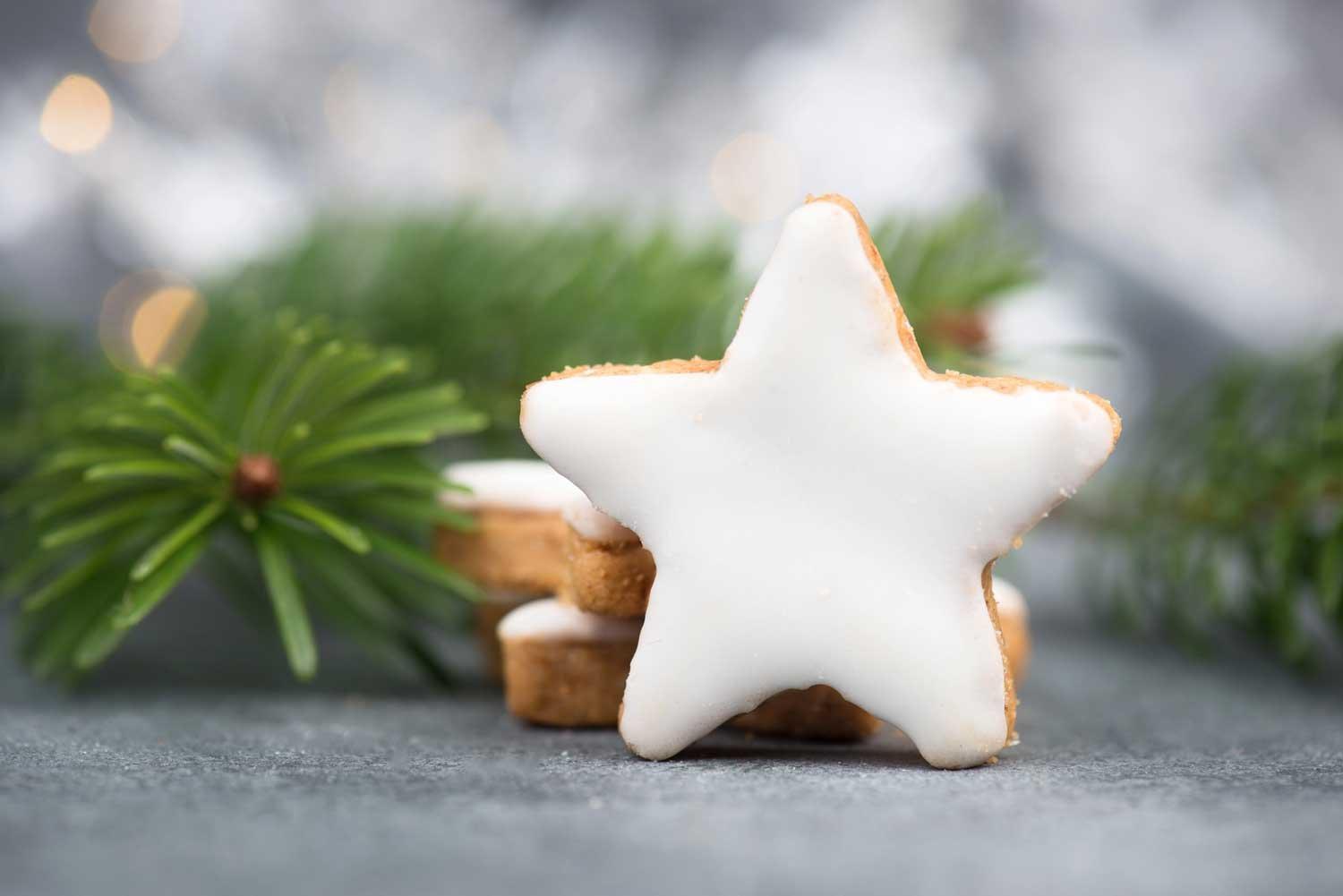
Cinnamon Stars
The classic Swiss Christmas star: almond and cinnamon dough under a snow-white icing.